

Confirm the jurisdiction and every space used
Map the filming activity, equipment and vehicles against the actual private and public-space boundaries before choosing the shots. Dallas identifies city-property filming, certain sidewalk and street uses, restricted curb parking and city-property B-roll among its permit situations. Ask the Office of Special Events about the complete proposed activity and read the full current requirements before treating any location as cleared. City of Dallas commercial filming
Start with the street address, building and suite. Confirm the relevant municipality rather than using “Dallas” as a label for a regional project. Identify the owner or manager of every filming area and access route. An interview room, lobby, shared loading area and street-facing entrance can have different controllers.
Sketch the subject and the crew footprint separately. Where does the camera stand? Where do lights and cases go? Where does a vehicle stop to unload? Which pedestrian route stays open? A scene recorded inside can still need a public-space check if the setup reaches beyond the business's boundaries.
Mark uncertain ownership as unresolved. Do not decide that a plaza, parking space or sidewalk is private because it appears to belong to the building. Ask the property contact and responsible authority to confirm it. The Location-scout checklist provides the wider access and technical worksheet.
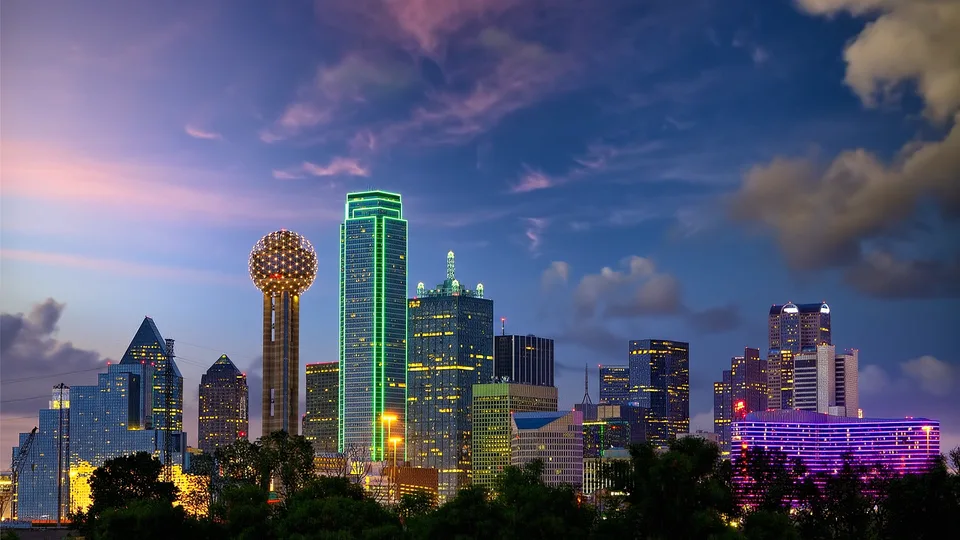
Check the city-property and public-access questions
As checked in October 2026, the Dallas page also leaves other filming situations to the Office of Special Events' determination. Use the current city page to explain your actual activity. A short filming window or small camera should not be treated as a published exemption. Dallas's current filming guidance
Instead of sending “we need some downtown footage,” identify the proposed location, dates, positions and effect on ordinary access. Include the setup and breakdown, not just the time the camera records. If city-property B-roll is part of the creative request, list the intended property even when no interview is planned there.
This guide selects planning questions and does not reproduce every requirement. Read the full current official checklist and any conditions provided for your activity. Ask for the written determination and final restrictions before calling a shot cleared. Completing this worksheet or submitting an application does not establish permit eligibility or permission to proceed.
Use the private-property summary carefully
The Dallas Film Commission describes private-property filming as not requiring a filming permit. It also identifies public-space and city-property activities and directs productions through the city's review process. That summary should not be extended to a mixed setup with street, curb or public-access effects. Dallas Film Commission permit information
For an interior-only plan, confirm who can approve access and intended recording. Ask whether the tenant controls the selected room and whether building rules require another approval. For a shared lobby or exterior, identify the authorized property contact rather than assuming the client can approve every area.
If the plan changes, update the boundary sheet. Adding a walking shot out the door, moving equipment outside or choosing a different unloading position can change the questions you need answered. Send the revised activity to the responsible contacts and retain their response. Do not use the original room approval as a blanket permission for a larger production.
Treat parking and transport as part of the footprint
Have the property contact identify the actual loading point, parking arrangement and crew entrance. Confirm access hours, elevator or security arrangements and where cases can be staged. Do not invent a parking entitlement from a map image or assume a curb is available because it was empty during a scout.
Write the planned route from the vehicle to the set. Check whether the route crosses ordinary customer or pedestrian movement and who approves it. Keep the number of vehicles and the time each uses the loading area in the production note. If the plan depends on a public street or restricted curb, include that issue in the city request.
For a multi-location shoot, complete a sheet for each address. A single day's call sheet can make the locations look like one operation, but the access and approval questions still need to be settled individually. Record who is responsible for confirming the second location before scheduling travel to it.
Make the plan practical.
Keep your answers and unresolved questions together before the project conversation.
Use the worksheetScout speech, screens and the recording window
Listen at the proposed interview position during the planned filming window. Record the actual interruptions and compare a second room. Ask who controls music, screens and other equipment, and what can safely change for recording. Do not turn off business or safety systems merely to improve a take.
Review the background with the business contact. Keep private records and screens out of frame; identify which signs and brand materials have been approved for the intended use. Prepare an alternative if unapproved customers or visitors would otherwise be essential to the scene. Location permission and participant permission should have separate entries in the brief.
For conferences, identify the venue AV contact and the recording scope. A recap, an interview and a complete session recording require different coordination. The conference audio planning guide covers the questions to ask before the day; this city guide adds no AV operation or full-session recording to the offer.
Keep aerials separate from the city process
Give the pilot the exact address, proposed date and time, desired view and known people or vehicle activity. The FAA's LAANC guidance describes airspace authorization and makes clear that other checks remain. A city filming decision is not the pilot's approval for the flight. FAA LAANC
Keep the aerial image conditional until the relevant assessment is complete. Ask what ground footage explains the same point if it cannot be captured. Use the Drone planning guide for the business-to-pilot handoff.
This is general information, not legal advice or clearance for a particular shoot. The responsible offices, property controllers and qualified advisers determine the applicable requirements. More address-specific resources are in Local shoot planning.
Copy this Dallas boundary-and-activity worksheet
Record one row per scene or setup, including the access activity that does not appear in the final video.
Scroll horizontally to see the full table.
| Planned scene or activity | Camera/crew/vehicle positions | Space controller | Public access affected? | Written answer/status |
|---|---|---|---|---|
| Interior interview | ||||
| Entrance or walking scene | ||||
| Proposed city-property B-roll | ||||
| Load-in and parking | ||||
| Optional aerial view |
Scroll horizontally to see the full table.
| Handoff question | Answer / responsible role |
|---|---|
| Exact address and municipality confirmed | |
| Current city source and check date | |
| City office's determination for the activity | |
| Full checklist and final conditions reviewed | |
| Property permission and recording-use limits | |
| Quiet interview space and alternative | |
| Participants and background material approved | |
| Changes that need another check | |
| Pilot assessment or ground replacement | |
| Person who tells the crew what remains pending |
Finish the sheet by naming the shot that can proceed under confirmed access and the shot still awaiting a decision. Keep that distinction in the schedule and proposal. A visually complete shot list is not evidence that every location is available.
How we can help
We scope video production from the story, agreed deliverables and confirmed access. Send the Dallas worksheet with your inquiry, including city or property questions still pending. The proposal can then distinguish the planned ground story from location-dependent additions.